
Why Zoom Won
In a sea of free alternatives

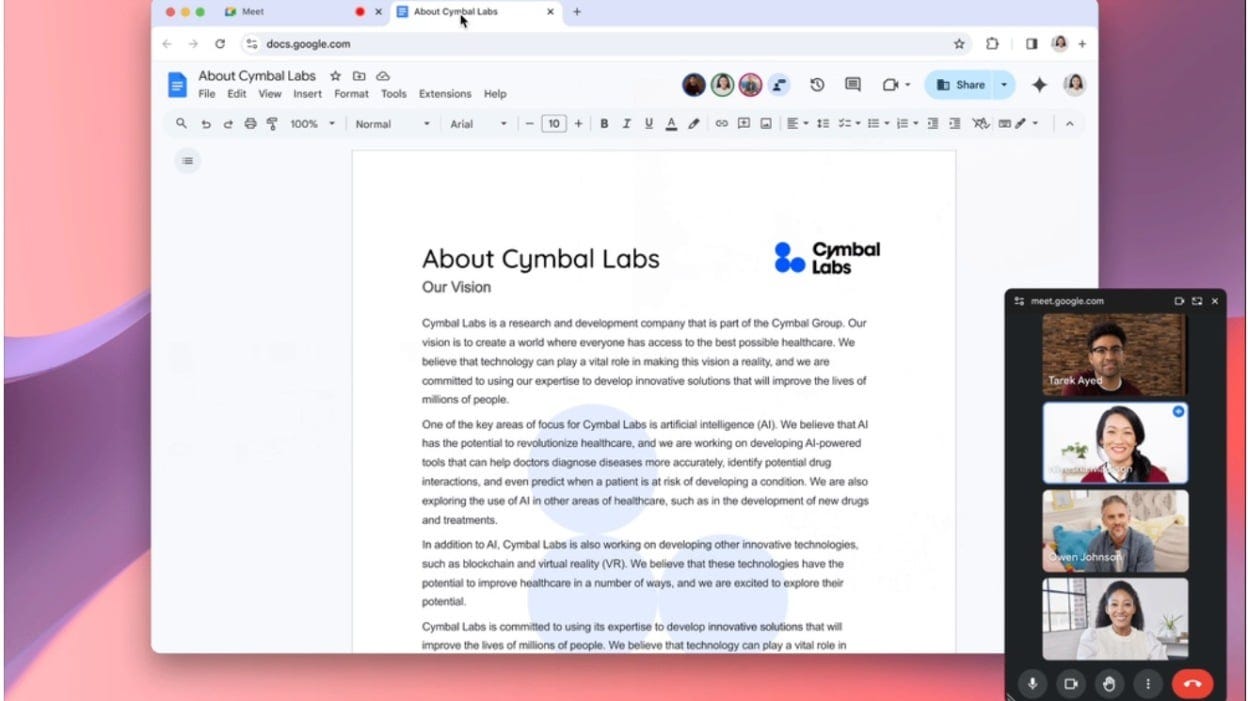
Google Meet has emerged as Zoom’s main competitor. “Ugh” was a co-workers response to a Teams invite, so they’re not contenders. The only feature that Google Meet has beaten Zoom on is their picture in picture view. It’s also free and integrates neatly with Google Calendar.
Their AI Summaries, Video Quality and Noise Cancellation are all inferior.
Zoom also carries a certain prestige. People know you’re paying for it, so it adds a sense of care to the conversation. Like buying a colleague coffee at an independent shop, rather than from the Keurig.
It doesn’t matter that much. But it shows that even in crowded marketplaces people are willing to pay for things that they can get for free. Such as the extra care, professionalism and familiarity of the Zoom interface.
Zoom has an extra advantage. Everyone started using it during the pandemic and has witnessed its evolution since. Since it’s a synchronous communication tool it’s become a global clique to understand and discuss its quirks.
We’re not paying for the product, we’re paying to be part of something.